Data science interviews can be tough—whether you're just starting out, switching careers, or leading a team. What you say in those moments can truly set you apart, especially when you can show how you've applied your skills in real-world situations. In this section, I’ve shared some of the actual interview questions I’ve faced, along with examples of how I handled them on the job. These insights are meant to help everyone—from students and professionals to hiring managers—better understand what strong, practical answers can look like.
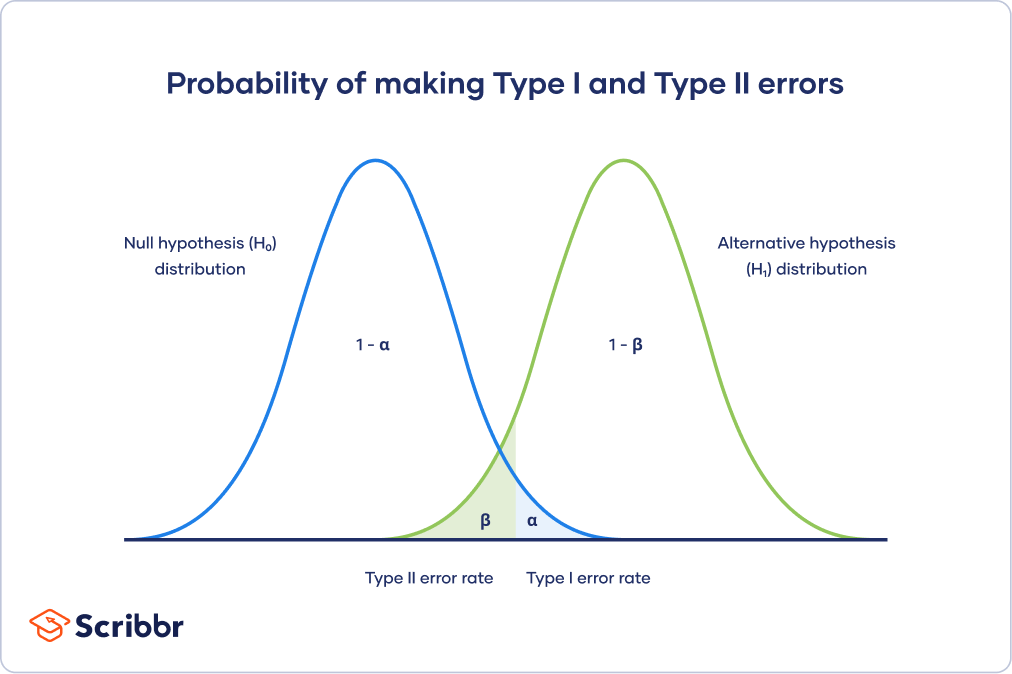
Type I and Type II errors impact hypothesis testing and model evaluation in data science. Understand the tradeoffs between false positives and false negatives with clear explanations and real-world examples.
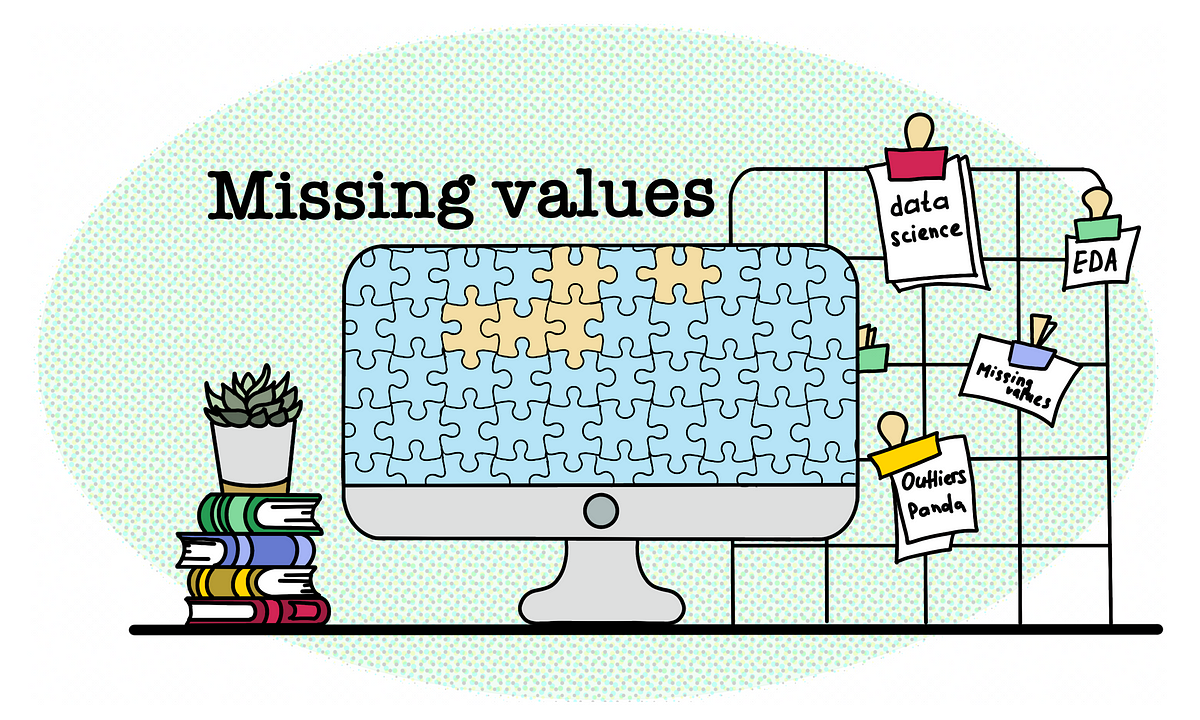
We’ve all been there—deep into exploratory data analysis when we realize some of our data is missing. It’s a common challenge, but how we handle it can significantly impact our results. Should we simply ignore the gaps, impute them using nearby values (especially in time series data), or go a step further and build a model to predict the missing entries? The right approach depends on the context, the nature of the data, and the goals of the analysis. Thoughtful handling of missing values is not just a technical decision—it’s a strategic one.
Imbalanced datasets are a common challenge in machine learning—especially in domains like fraud detection or medical diagnosis, where one class vastly outnumbers the other. A model might show high accuracy, but fail to detect the minority class altogether. Should we oversample, undersample, or adjust class weights? The right strategy depends on the data, the business context, and the performance metrics that matter most. Thoughtful handling of class imbalance is not just a technical fix—it’s a strategic decision that shapes model effectiveness.