Secrets on how elites manage risk
Secrets on how elites manage risk
Charles Schwab
E*TRADE
Merrill Edge
Webull
Robinhood
Interactive Brokers (IBKR)
Fidelity
SoFi Invest
tastytrade
Moomoo
Ally Invest
Firstrade
TradeStation
Tradier
Lightspeed Trading
SogoTrade
eOption
Just2Trade
Public.com
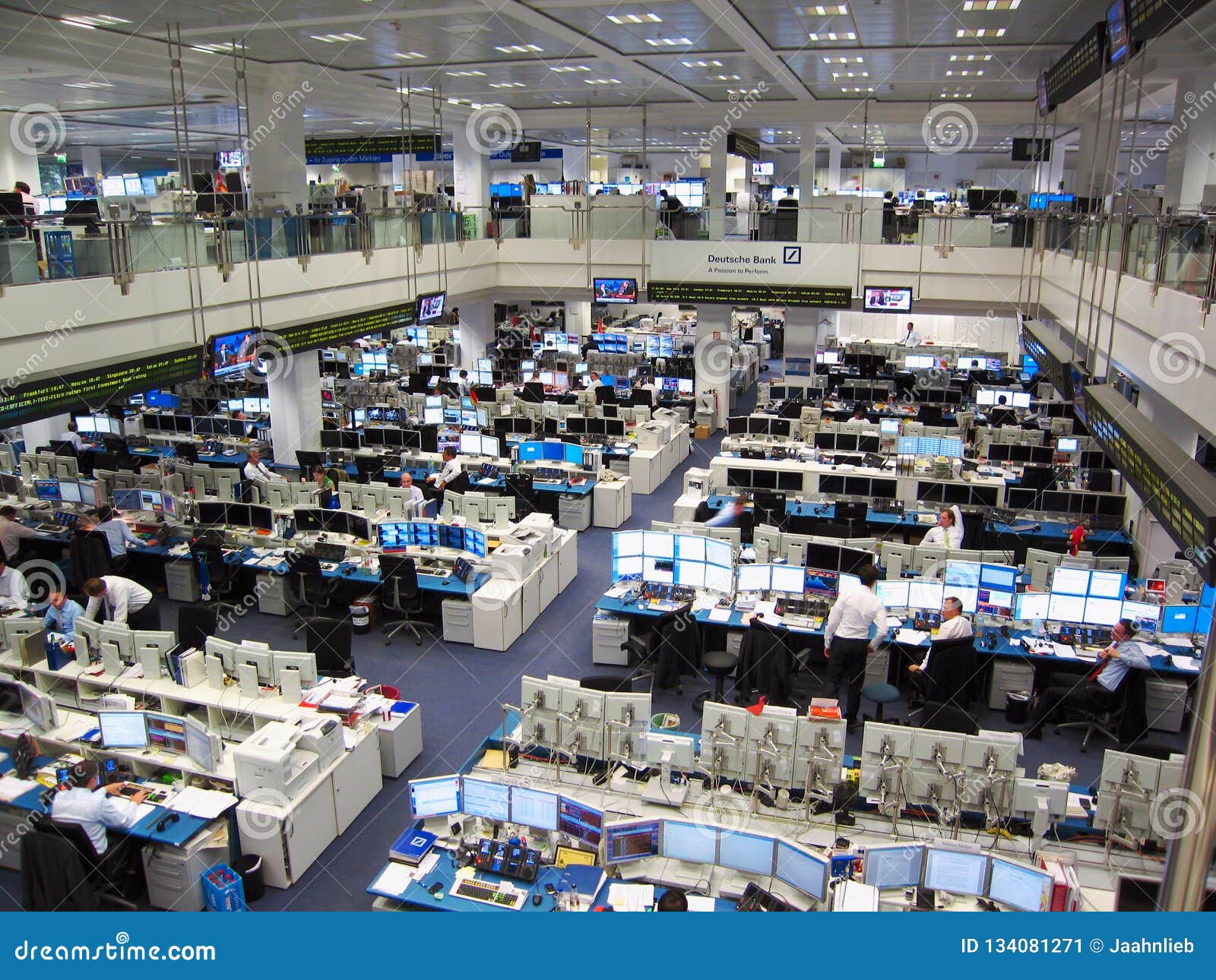
Trading is a dangerous game. A few people build incredible careers from it, but most never make it past the first year. The statistics are brutal — roughly 90% of traders lose money — and it’s not because they’re inexperienced. It’s because the real lessons of trading aren’t taught in school, and they’re rarely taught to beginners.
Most people grow up hearing the same cliché: “buy low, sell high.” But the trading floor teaches something very different: risk comes first, profits come second.
One of the earliest secrets new traders never learn is how to profit when a stock is falling. That’s short selling — borrowing shares, selling them high, and buying them back lower. If the stock drops, you pocket the difference. If it rises, you lose. It’s the mirror image of going long, but it gives traders a way to stay balanced instead of being permanently bullish.
The biggest secret isn’t shorting — it’s discipline. Hedge funds don’t usually dive head‑first into a position. They scale in. They hedge. They build structures. Not all funds are conservative, but the ones that survive understand one thing: you don’t control the market, but you can control your risk.
Take a simple example. A novice buys 100 shares of a $250 stock — a $25,000 commitment. A professional might buy a call option instead. If the stock rises, the call captures the upside. If the stock drops, the trader only loses the premium, not the full 10% drawdown.
Professionals rarely rely on a single position. They build what I call a fortress around the trade:
If the stock rises, the call pays. If it crashes, the put gains value. If the stock drifts sideways, the short put brings in income. Every layer has a purpose.
If a trader is assigned on a short put, they’re buying shares at a discount. And if they already hold a longer‑dated protective put, they’ve effectively built insurance before going long. That gives them time to let the trade develop instead of panicking.
Option spreads take this even further. A trader might buy a $250 call for $10 and sell a shorter‑dated $265 call for $3. Now the trade costs $7 instead of $10 — a 30% reduction. If the stock rises to $265, the spread is worth $15. That’s a 100% return.
As the short call expires, the trader can roll it — sell a new call at $270, $275, or wherever the chart makes sense — and collect more premium. If they take in another $5, their total cost drops to $2. If the stock eventually hits $270, the spread is worth $20. Paying $2 to make $20 is how professionals survive long enough to thrive.
If the trader exercises a $250 call while the stock trades near $270, they’re already $20 in the money. They can then hedge the new stock position with a $265 put and sell a covered call at $280. For a few dollars of net cost, they’ve protected a $25,000 position and capped their downside.
Compare this to the novice who bought 100 shares outright and watched the stock fall 10%. They’re down $2,500. The option trader might be down $800. That difference is survival.
If the stock keeps falling but the trader still believes in the long‑term upside, they can sell puts to recover premium — ideally using credit spreads to cap the risk. Selling naked puts without protection is how traders blow up. Selling spreads is how they stay in the game.
Novices hold losers too long and sell winners too fast. Professionals cut losses quickly and let winners run. Risk management isn’t a chapter in a textbook. It’s an art form. It’s a science if you’re a quant. It’s a survival skill if you’re on a trading floor.
And that’s the real secret behind every trader who lasts long enough to become great.
.jpg#keepProtocol)



/dividend-0aad3af67ba54cc98e8fc1ab59346674.jpg)